
Weather Warning Costa Rica People Told to Prepare for Heavy Rain and Flood Risk

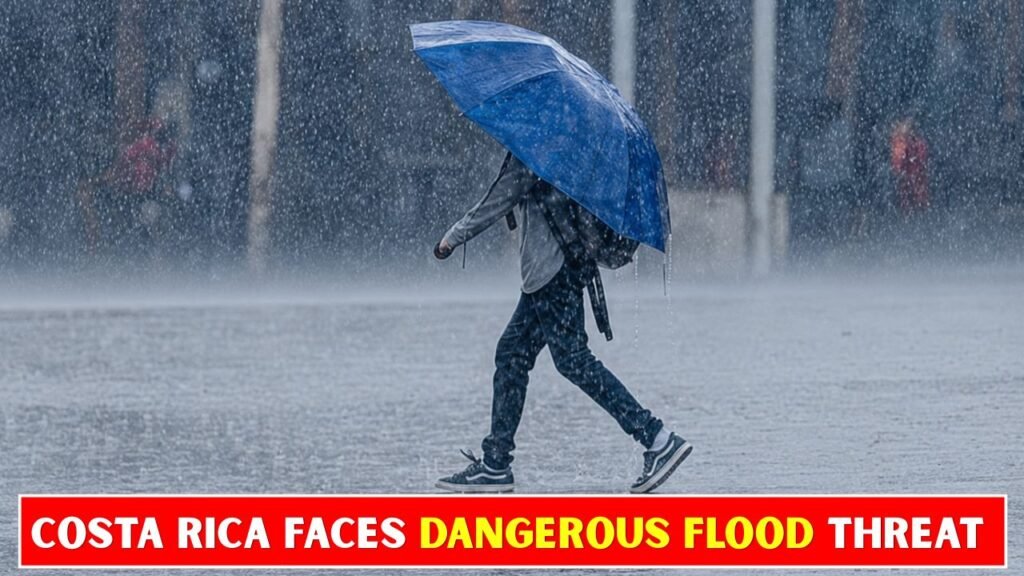
Costa Rica issues new weather warning as heavy rain, thunderstorms and saturated ground increase risk of localised flooding and landslides. Meanwhile, forecast updates indicate unstable atmospheric conditions. Regional outlooks warn that moderate to heavy rainfall may affect some sections of Costa Rica, mainly Atlantic-facing and southern sections.
What areas might be most at risk of flooding?
Flood risk is not equal across the country. When the rains intensify, low-lying communities, riverside neighbourhoods, coastal zones and mountainous roads are more vulnerable. Localised flooding risks were included for Atlantic-facing and southern Costa Rica in NOAA’s Central America Hazards Outlook during the forecast period.
 Mexico Earthquake Today Strong Tremors Shake Guatemala and El Salvador After Powerful Seismic Event
- The rain could affect southern Costa Rica more strongly.
- Coastal areas along the Atlantic should monitor rivers closely.
- Mountains are more at risk from landslides.
How Heavy Could the Rain Become?
Rainfall could be heavy enough to quickly accumulate water in streets, streams and poorly drained areas. Earlier reports from Costa Rica said bulletins from the IMN warned of continuing atmospheric instability and rainfall totals that could become considerable during storm periods. Residents are cautioned to take repeated downpours as a warning sign.

Why Are Floods and Landslides a Major Concern?
Wet soil from earlier rain makes the danger from floods and landslides greater. Saturation can make hillside slips and rivers rise faster than expected. Reports said heavy rains have saturated soils and increased landslide risks in affected areas of Costa Rica, downed trees and stressed infrastructure.
- Wet soil can cause instability of slopes and edges of roads.
- Small streams can become dangerous very quickly.
- Blocked drains can cause flooding in the street.
- Fallen trees can damage homes, cars and power lines.
- Harder to evacuate at night in the rain
What Should Residents Do Before the Rain Gets Worse?
Those in the danger zone should prepare before it’s too late. Families may have fewer safe options if they wait until water is flowing into streets or hillsides start to move. Emergency planning could include supplies of food, clean water, flashlights, charged phones, medication and a known evacuation route for everyone in the house.
How Can Drivers Stay Safe During Heavy Rain?
Driving in Costa Rica in heavy rain can be dangerous, visibility decreases, roads become slippery and flooding can hide potholes or washed out areas. Local safety advice has warned drivers to be careful on major routes where hydroplaning and debris could become hazardous during downpours.
-
- Don’t attempt to cross flooded roads or bridges.
- Slow down and allow more space to other vehicles.
- Use your headlights in poor visibility.
- Avoid parking near rivers, unstable slopes or large trees.
What Should Tourists Know About Costa Rica Weather?
Keep in mind that Costa Rica’s rainy season can turn your travel plans upside down in a heartbeat. Unexpected storms could affect trips to the beach, mountain tours, rain forest hikes and road travel. Visitors are advised to check the official weather updates and avoid the rivers when there is heavy rain. They are also advised to check with hotels or tour operators about safety conditions in the area before they leave.
How Can Families Prepare an Emergency Supply Kit?
Emergency kits will enable families to act quickly to restore normal routines if floods, power outages or landslides occur. The kit should be easy to carry and stored in a dry location. Include important documents in waterproof bags as well, especially if you live in a family near a river, steep slope or flood-prone street.
- Bring drinking water and food that doesn’t require cooking.
- Keep flashlights, batteries and phone chargers handy.
- Basic medicine and first-aid supplies.
- Keep copies of ids, insurance papers and contacts.
- Have supplies for kids, old people and animals.
When Should People Evacuate?
If you are told to evacuate by authorities or if you see danger signs in the vicinity, evacuate early. Don’t ignore rising river levels, cracking ground, moving soil, strange sounds from slopes or water entering homes. If you are in the path of the floodwaters, people should go to higher ground and avoid flooded roads and call emergency services if life or property is at risk.
Get up early and look out. Heavy rain warning in Costa Rica is no joke. Floods and landslides can happen quickly. Officials advise residents and visitors to heed their advisories, avoid dangerous areas, stock up on critical supplies and prepare for life-threatening weather before it hits.
