
Traffic Enforcement Camera USA Could Leave More Drivers Facing Expensive Tickets

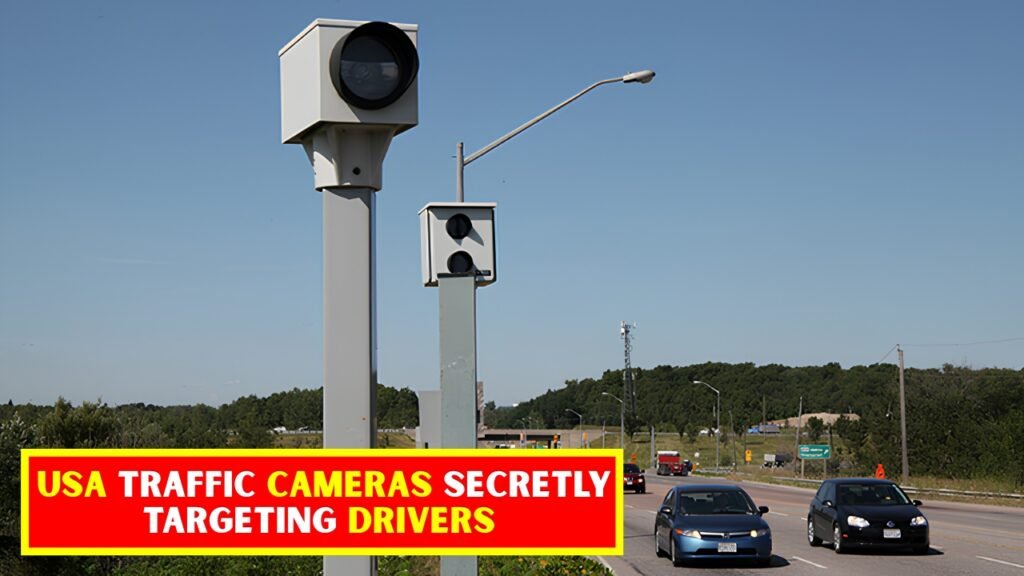
Traffic enforcement cameras are popping up more and more on city streets and highways all over the United States, and many drivers are now paying more attention to how these systems work. Several states are initiating new traffic enforcement programmes aimed at reducing speeding, red-light violations and dangerous driving behaviour. Officials say the goal is public safety. But many drivers fear these automated systems could lead to pricier tickets and surprise fines. In some areas, cameras are being placed near school zones, busy intersections and construction sites where penalties tend to be higher. If a driver is not aware of a change in traffic rules or the location of cameras, they may get a ticket in the mail days later. As technology continues to grow the debate surrounding fairness, privacy and road safety.

Why Are More Cities Expanding Camera Programs?
Many local governments believe automated enforcement can contribute to accident reduction and improving driver behaviour. This has resulted in more cities expanding the use of traffic cameras in high-risk areas.

- Cameras can watch roads 24 hours a day without police officers at every spot.
- Plenty of research shows drivers reduce speed when cameras are around.
- Intersections with cameras and school zones tend to have fewer serious crashes.
- Cities can use automated systems to quickly collect evidence when violations occur.
- Some local governments also view cameras as a way to increase revenue from traffic tickets.
But drivers are concerned about how quickly these systems are growing. Some believe that cameras are placed in locations where large numbers of people are likely to get tickets rather than where safety problems are greatest.

Could Drivers End Up Paying Higher Costs?
For many, the greatest worry is the financial toll. Traffic camera tickets can add up – and fast, especially with additional penalties.

- Speeding fines in camera zones tend to be higher priced than regular traffic tickets.
- Late fees can increase the amount you owe.
- Some states charge a fee for administrative processing.
- Repeatedly violating rules could lead to your insurance company raising your rates.
- Drivers who ignore notices could face license or registration problems in some states.
Many drivers say they don’t always realise they were speeding, as some camera zones have lower speed limits than nearby roads. Construction zones and school zones are particularly strict, even for short periods of the day.
Another problem is that drivers usually get tickets in the mail days later, making it harder to remember the exact traffic situation. This delay may cause confusion when people try and contest a violation.
How Are States Changing Traffic Enforcement Rules?
States are taking different approaches to automated enforcement. Some states are adding to camera programmes, while others are still debating whether the systems are fair for drivers.
- New laws allow more cameras to be installed near schools and highways.
- Traffic monitoring systems supported by AI are being trialled in some cities
- Some states now require warning signs in advance of camera zones.
- Ticket money is being restricted in some jurisdictions.
- Privacy concerns are fueling debates over data storage and surveillance.
Supporters say tougher enforcement encourages safer driving and discourages dangerous speeding. They believe the cameras eliminate human bias because every driver is treated the same way when a violation is caught.
The systems have been criticised for sometimes creating unfair situations. Drivers contesting tickets have also complained about poor camera angles, ambiguous road signs and technical errors.
What Can Drivers Do to Avoid Surprise Violations?
“Many drivers are now altering their driving habits to avoid being caught out with surprise fines from the automated systems.
- Keep an eye out for school and work zone speed limit changes.
- Watch for warning signs that camera enforcement is coming.
- Don’t drive through yellow lights at busy intersections.
- Update vehicle registration and mailing address.
- If you receive a ticket in the mail, read the notice carefully.
Drivers should also be aware of local traffic laws, as rules for camera enforcement may vary from state to state and city to city. In some places, drivers can fight tickets online; in others, they have to go to court.
Are These Systems Really Improving Road Safety?
The big question around automated traffic enforcement is whether it really makes roads safer. Supporters say accident numbers have dropped in some camera-monitored areas, particularly where speeding was a major problem before. But safety groups say cameras promote safer driving because drivers know they are being recorded for violations, even if police officers aren’t present.
Critics have also said that some programmes focus on collecting revenue rather than improving safety conditions. In the long term they think better road design, more obvious traffic signs and better driver education might be more effective solutions. But there’s no getting around it: Traffic cameras are playing an increasingly prominent role in everyday driving in the US, and more drivers could find themselves on the hook for costly tickets if they don’t adjust to more stringent enforcement policies.
