
Pacific Ocean Shows Increasing Tropical Activity While Atlantic Hurricane Season Starts to Strengthen

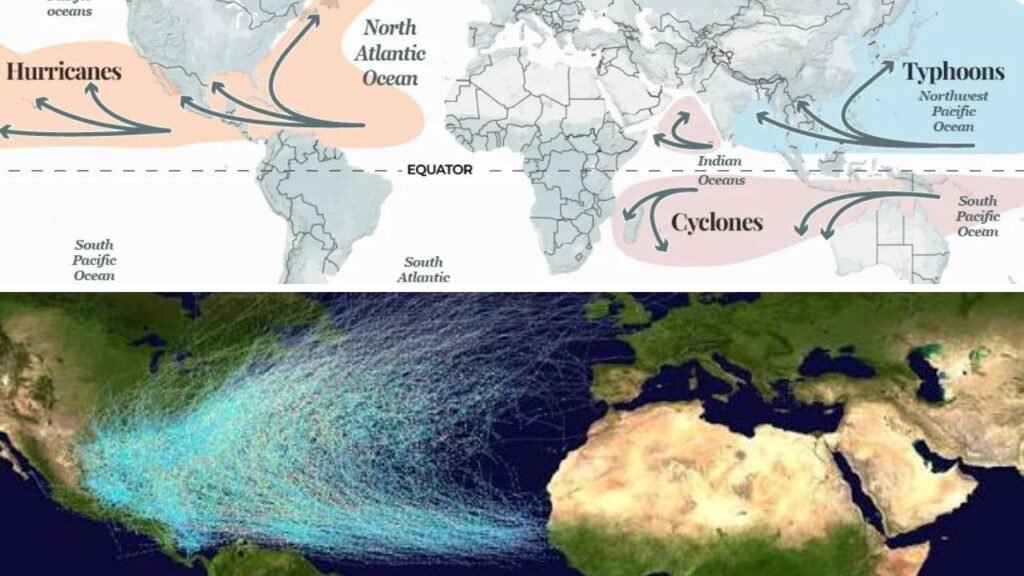
The Atlantic hurricane season is starting to get off to a more typical start after a slower-than-normal start, while the Pacific Ocean continues to see steady tropical activity. The Atlantic is becoming more favourable for storm development, meteorologists say, although the eastern Pacific remains the more active basin. Experts are watching both areas closely as the peak months of the hurricane season approach.
 Flash Flooding Across Southeast Texas Creates Dangerous Travel Conditions After Heavy Rainfall
Still, the Pacific is more active than the Atlantic
Warmer sea surface temperatures and less wind shear have already helped the eastern Pacific produce a number of tropical systems this season. Storms have had an easier time developing under these conditions than in the Atlantic, where stronger upper-level winds initially prevented the formation of cyclones.
 Fall Weather Forecast 2026 Shows Which US Regions Could See Cooler Hotter or Wetter Conditions
Weather agencies say the Pacific usually starts earlier in the year, but this season’s pace has been especially apparent. Forecasters continue to monitor waters off Mexico and Central America for more tropical development in coming weeks.

Why the Atlantic Hurricane Season Is Intensifying
The Atlantic has been quiet so far but activity is expected to pick up through August and September, which are traditionally the busiest months of the Atlantic hurricane season.
El Niño is one of the major factors this year, which tends to create stronger wind shear across the Atlantic and suppress tropical cyclone formation. But the experts say these conditions are likely to change as the season progresses, with more storms developing as atmospheric patterns change.
Meteorologists say a slow start doesn’t always mean a quiet hurricane season. The latter part of the season has seen significant hurricanes develop many years in the past although early activity was not great.
What This Means for Coastal Communities
But emergency officials still want residents in hurricane-prone areas such as the U.S. Gulf Coast, the Caribbean and the southeastern United States to be ready. Hurricane preparedness should not be based on seasonal forecasts alone; it only takes one landfalling storm to cause havoc.
Residents of vulnerable areas are urged to review emergency plans, assemble disaster supply kits, and monitor official weather agency updates throughout the season.
Outlook for the Coming Weeks
Forecasters say the Pacific is likely to remain active in the near term, but they are monitoring improving conditions in the Atlantic. Whether or not each basin gets more active through the rest of the hurricane season will continue to depend on climate patterns, ocean temperatures and wind conditions.
Since forecasts are frequently updated, experts advise watching the official advisories rather than just long-term seasonal outlooks.
Sources
- NOAA National Oceanic and Atmospheric Administration – Historical hurricane season timing, preparedness tips and seasonal outlook.
- AccuWeather – Atlantic activity has been slow so far, but we expect more activity as the season goes on.
- CBS News – How El Niño is influencing tropical activity in the Atlantic and Pacific oceans.
- Local 10 Weather – Updates on eastern Pacific tropical activity and weather in the region.
- ABC News – Expert says slow start doesn’t mean risk of big hurricanes later in season is gone.
