
OpenAI Reportedly Proposes 5% Stake for United States Government in New Plan

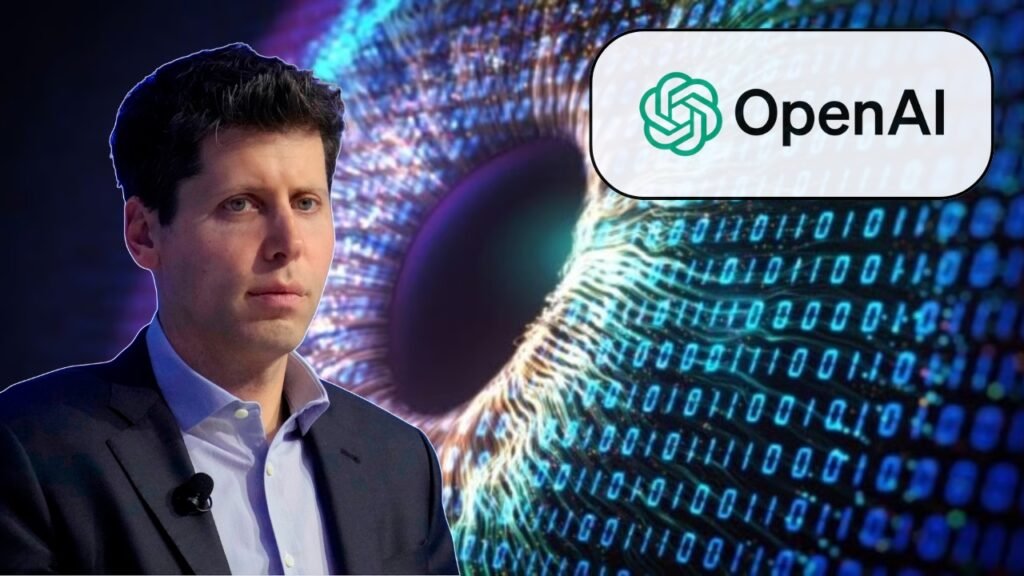
OpenAI reportedly proposes 5% stake for U.S. government as part of a sweeping plan to share the wealth generated by artificial intelligence, it has emerged. The move, which is unique, is meant to build political relations and the firm is valued at $852 billion. This could be a game changer for AI companies.
 US Stock Market Returns Average 8.7 Percent Annually Since 1776 Across Historic Market Growth
Financial Update Latest Open AI’s Plan
At the centre of the proposal, OpenAI CEO Sam Altman has proposed a 5% ownership stake for the U.S. government. The share is valued at approximately $42.6bn depending on a funding deal in March 2026. Discussions have taken place at an early stage with the Trump administration. It is an early attempt to acquire financial buy-in and address growing political concerns about the economic impact of AI.
 Social Security Payment of $2081 a Month Sparks Attention as Investors Calculate Required Saving
Financial highlights and market capitalisation
The $852 billion valuation of the company makes it one of the most valuable private companies. The proposed framework would place the equity element into a sovereign wealth fund vehicle, modelled largely after the Alaska Permanent Fund. The concept of a public wealth fund is to give the public a direct financial stake in the AI boom.

The Street’s Investor Response
The reaction from investors has been a heady mix of speculation about what it means for other IT corporations. Altman suggested competitors such as Anthropic, Google and Meta should also give up equal 5% stakes, but it was unclear if they would. The US government just bought a 10% interest in Intel. Analysts say it is a smart effort to offset headwinds in Washington, where there is increasing anxiety about data centre growth and job losses.

What it Means for OpenAI Investors
The short-term consequence for the planned OpenAI IPO is that the business is going for regulatory harmonisation. It’s a new kind of public-private cooperation, long term. The biggest risk is that any transfer would require an act of Congress and add to the uncertainty of the legislative process. But with the government having a financial interest in the success of the corporation, it may face less regulatory hurdles, speeding up product rollouts and cementing its domination in the market.
What’s in Store for the AI Industry?
Close attention should be paid to regulators’ judgements on powerful AI models. The government has lifted restrictions on OpenAI’s GPT-5.6 model, a hint the national security obstacles are softening. If congress makes this wealth fund official then the future expectations are. Meanwhile, Sen. Bernie Sanders is still pushing for 50% public ownership of major AI developers. Market investors will be closely watching how OpenAI performs in its expected public offering, possibly as soon as next year.
Final Summary
OpenAI’s proposal to sell the U.S. government a 5% stake for $42.6 billion is a pivotal moment in the intersection of tech and public policy. The best developers are looking for new ways to establish political goodwill. Investors will be watching closely to see what kind of legislative response there is, and how the OpenAI IPO proceeds, for a read on the potential of this ambitious public wealth fund.
