
Los Angeles Weather Forecast Signals Rising Heat and Changing Conditions Ahead of the Weekend

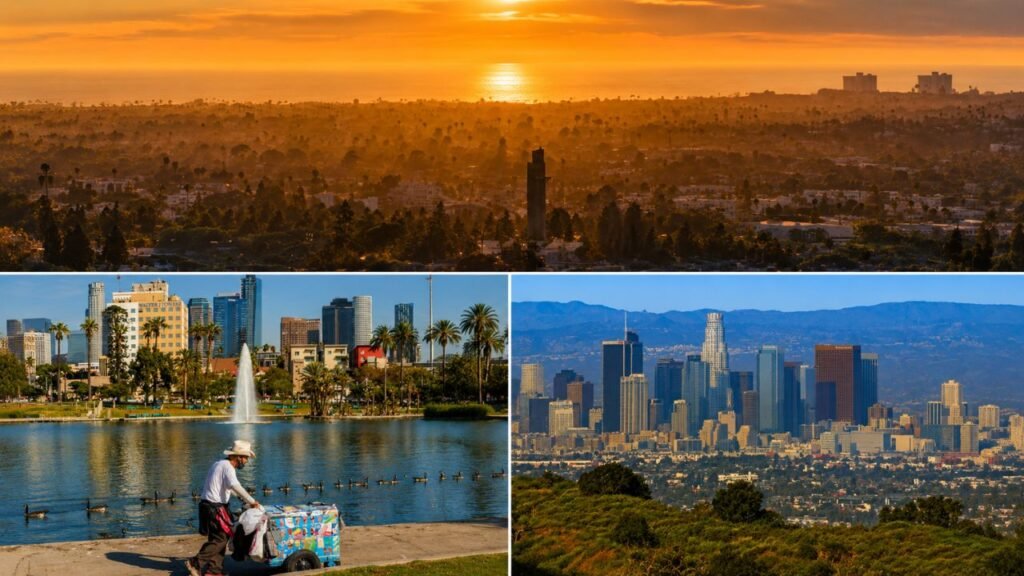
The Los Angeles weather forecast is pointing to a warmer but not extreme start to the Fourth of July weekend, with morning clouds, afternoon clearing and bigger heat concerns developing mainly inland. For downtown Los Angeles, the National Weather Service forecast keeps daytime highs near 79°F from Friday through Sunday, while overnight temperatures stay in the low 60s.
 Vancouver Weather Forecast Predicts Cooler Temperatures and Rainfall Across the Region This Week
Is Los Angeles Facing a Heat Wave This Weekend?
That makes the weekend more of a gradual warmup than a sharp heat wave for central Los Angeles. People planning parades, beach trips, cookouts or fireworks viewing should still expect changing conditions through the day. The familiar coastal pattern remains in place: grey or cloudy mornings, some fog in nearby areas, and brighter skies later for many neighbourhoods.
 Chicago Weather Forecast Warns of Heavy Rain, Thunderstorms, and Dangerous Heat Changes This Week
Why Are Temperatures Rising Around Los Angeles?
The main shift is happening in the background. The National Weather Service says onshore flow is weakening, which allows the marine layer to become shallower and temperatures to rise. In practical terms, that means inland areas will warm faster than the coast. The valleys, foothills and desert communities are likely to feel the weekend heat more directly than neighbourhoods closer to the ocean.
Which Areas Will Feel the Most Heat?
For Los Angeles and Orange County, local forecasts call for partly sunny conditions around 79°F, while Valley and Inland Empire areas may climb into the mid-80s. Desert locations are much hotter, with Palm Springs expected to reach triple digits. This difference matters for travellers because a short drive inland can mean a noticeably hotter afternoon.
Will Los Angeles Stay Cooler Than Inland Areas?
The city itself should avoid the worst heat through the weekend, but the trend is worth watching. NWS forecasters expect temperatures to continue warming into next week as high pressure becomes more established. Valley locations could move into the 80s and low 90s, while the coast remains moderated by marine influence.
Could Fire Weather Become a Concern?
Fire-weather conditions are another part of the story. The NWS fire weather outlook highlights a warming and drying trend from the Fourth of July into next week, focused away from the coast. Interior areas may see humidity drop into low ranges, while winds could become gusty in some passes, canyons and wind-prone locations. That combination can raise concern in places with dry vegetation, especially around holiday fireworks activity.
What Should Residents Do Before Heading Out?
For residents, the best approach is simple: check the forecast before heading out, carry water for afternoon plans, and expect cooler conditions near the coast than inland. Morning clouds should not be mistaken for an all-day cool pattern, especially if plans include valleys, foothills or desert routes.
What Is the Bigger Weekend Weather Takeaway?
Overall, the Los Angeles weather forecast signals a holiday weekend that starts manageably in the city but gradually turns warmer across the region. The biggest impacts will be felt inland, where temperatures, lower humidity and breezy conditions could make the days feel more summerlike and increase fire-weather awareness heading into next week.
Sources
National Weather Service — Los Angeles point forecast: Used for downtown Los Angeles highs near 79°F, overnight lows around 61–62°F, and the Friday-through-weekend sky conditions.
National Weather Service — Area Forecast Discussion: Used for the broader pattern: weakening onshore flow, continued morning low clouds, gradual warming and limited heat-risk concern before mid- to late next week.
National Weather Service — Fire Weather Planning Forecast: Used for inland warming and drying details, including interior highs in the 90s, coastal valleys in the 80s, lower humidity and elevated fire-weather conditions.
ABC7 Los Angeles: Used for local neighbourhood-level context, including Los Angeles/Orange County near 79°F, valleys and the Inland Empire near 85°F, beach communities are cooler, and desert conditions are hotter.
