
Northern California Earthquake Leaves Thousands Without Power After 5.6 Magnitude Tremor


Where did the Northern California quake hit?
The quake was centred near Redwood Valley in northern California, in Mendocino County, an area prone to earthquakes. The tremors were strong enough to be felt in nearby communities, and people far from the epicentre reported feeling them. As the shaking subsided, city officials and emergency crews began inspecting roads, buildings, utilities and public facilities.

- The quake was centred near the Redwood Valley
- Mendocino County was among the hardest hit.
- Residents said the tremor was sudden and violent.
- Emergency workers were searching for damage and hazards to safety.
The quake of 5.6 was how strong?
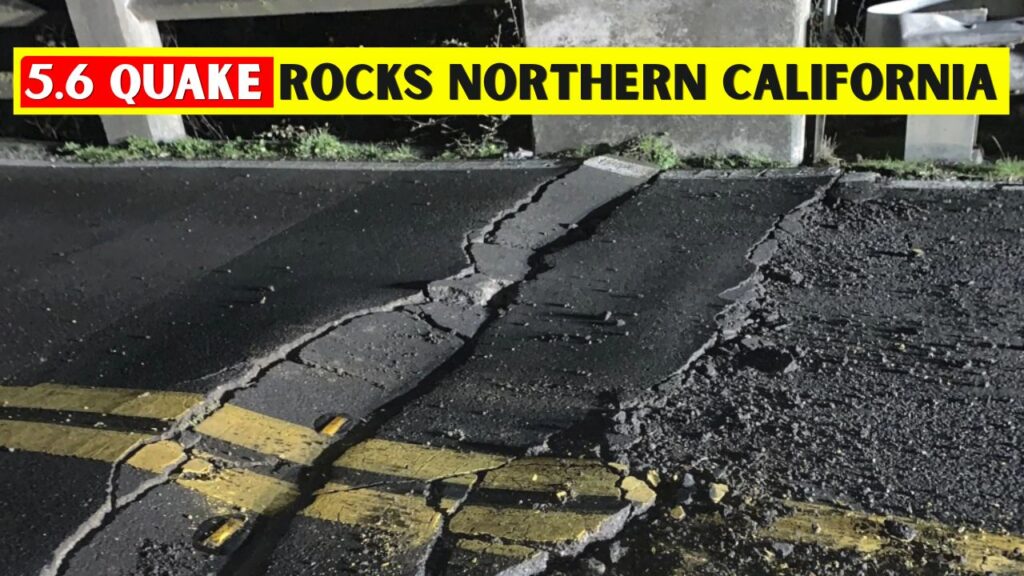
A magnitude 5.6 is a moderate quake but can still cause a lot of damage, especially close to the epicentre. People living near the epicentre said things fell off shelves, surfaces were cracked and there was damage inside businesses. The effect of an earthquake depends on the depth of the quake, soil conditions, the strength of the building and the distance from the epicentre.

Quake Knocks Out Power to Thousands
Earthquakes can cause power outages by shaking electrical lines, transformers, poles or utility equipment. Thousands of PG&E customers were reported out of power in this case, especially in places nearest the strongest shaking. Utility crews were out in the field checking systems, restoring service and working to avoid any further dangers from damaged infrastructure.

- Shaking can break power lines and poles.
- Sometimes the utility crews will shut the systems down as a safety precaution.
- Hospitals and emergency services may be operating on backup power.
- Restoration is dependent on the damage and access conditions.
- Stay away from downed wires and report hazards.
Injuries? Any serious damage?
Early reports of injuries and localised damage but no immediate word of widespread destruction. Businesses around the epicentre reported broken items, merchandise down and internal disruption. Officials have warned residents to watch out for hidden structural hazards as they carry out precautionary checks of roads, schools, hospitals and public buildings.
Aftershocks? Was it the main earthquake?
The main tremor was magnitude 5.6, followed by aftershocks, which are common after a moderate earthquake. Smaller quakes can be dangerous because they can shake already weakened buildings. Officials typically caution people to be on the lookout for additional shaking in the days following a major earthquake.
- Aftershocks can happen minutes, hours or days later.
- Some aftershocks are strongly felt close to the epicentre.
- Entering damaged buildings should be approached with caution.
- Have emergency supplies at hand.
What did the residents do when it rattled?
The quake was startling, loud and scary, residents say. People ran for safety into houses and shops. The shelves shook and things fell down. Some also received a warning for the earthquake on their mobile phones. The quake was a reminder to communities across Northern California that even moderate temblors can upend lives in seconds.
Why does Northern California get earthquakes?
Northern California is one of the most seismically active regions in the world, and the region’s position along numerous active fault systems makes earthquakes a common natural hazard. The region’s geology includes faults related to the larger tectonic movement between the Pacific and North American plates. Residents should, therefore, prepare emergency kits, secure heavy furniture and learn earthquake safety procedures.
How can families prepare for the next earthquake?
Earthquake preparedness can help you avoid panic and injury once the shaking begins. Families need a communication plan, buy food and water, have flashlights and know how to turn off gas or electricity if needed. “Fastening down shelves, appliances and heavy furniture also can help prevent injuries in future quakes.
- Always maintain at least three days’ worth of emergency supplies.
- Keep water, medicine, batteries, and first-aid supplies.
- Practise Drop, Cover And Hold On.
- Secure large appliances, mirrors, and bookcases.
- Pick an emergency meeting place for your family.
What is new after the tremor?
After the quake, work was under way to assess the damage, restore the power and keep the public safe. Utility crews started to restore power, and emergency managers were monitoring aftershocks and local reports. The quake was disruptive, but by the standards of bigger disasters, the situation looked to be in hand. Officials urged residents to remain vigilant, conserve the battery life of their phones and stay tuned to official reports.
