
Apple TV+ Horror-Comedy Widow’s Bay Wraps Its First Season

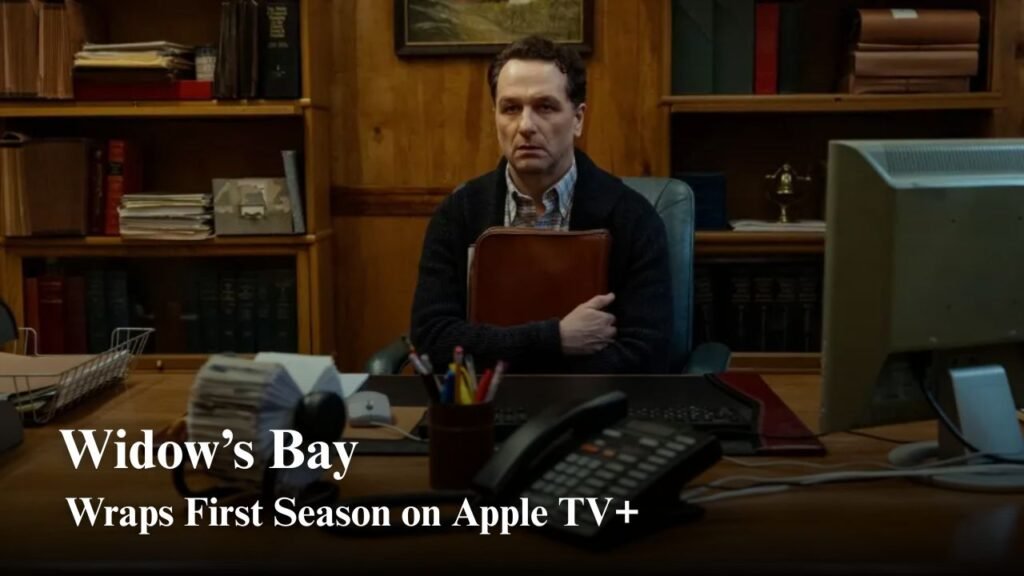
Widow’s Bay: Apple TV+ closed Widow’s Bay Season 1, and the horror-comedy did not leave quietly. Across its debut season, it turned a cursed island into a pressure cooker where family secrets, superstition, and bad tourism plans kept colliding. The finale answered enough, then opened a darker door viewers will think about after black.

At the center is Mayor Tom Loftis, played nervously by Matthew Rhys. Tom begins as a practical man who wants brochures and visitors, not ghost stories. But Widow’s Bay punishes anyone who treats its legends like gossip. By the finale, his plans collapse under storms, deaths, tunnels, and the suggestion that the curse may demand bloodline sacrifice.

Widow’s Bay Season 1 Ending Turns a Small-Town Mystery Into a Family Nightmare
Ending lands because it makes the curse personal. The season builds the idea that Ruth, the elderly secretary, may be the last descendant of founder Richard Warren. That pushes Tom toward an unthinkable choice. If killing one person could save the town, would a mayor become a murderer? Widow’s Bay understands that horror works best when people face choices they never wanted.

The twist changes everything. Ruth’s confession connects her to Tom’s late wife, which points the curse toward Tom’s son, Evan. In one moment, the mayor is no longer weighing a distant remnant of the past. He is staring at a future that may want his child. That reveal gives the finale its sting and explains why the comedy never feels weightless; beneath every town meeting, grief waits.

The finale’s most gripping ideas include:
- Tom’s shift from skeptic to frightened protector, turning public duty into private crisis.
- Ruth’s secret history, which makes the curse intimate rather than decorative folklore.
- The bell tolls, which suggest the island follows rules the characters barely understand.
Why Widow’s Bay Balances Horror and Comedy Without Breaking the Spell
Many shows use comedy to escape fear, but Widow’s Bay does the opposite. Its funniest moments come from people acting normal while the abnormal moves closer. A mayor still wants to manage optics. A sheriff still wants control. Residents still cling to rituals that sound absurd until the fog rolls in and proves them right. The humor comes from denial, timing, and embarrassment before something ancient.
That balance is why the season feels more distinctive than a simple haunted-town story. The island is ridiculous and terrifying at once. A cursed inn, ominous weather, secret passages, strange deaths, and ritual panic could become camp if handled carelessly. Instead, the show lets fear breathe. When jokes arrive, they sound like defense mechanisms, not punchlines pasted onto a thriller. That makes the horror sharper.
There is also a smart contrast between Tom’s official language and the town’s old warnings. He wants Widow’s Bay to be a destination, clean enough for outsiders and charming enough for advertisements. The island refuses to be packaged. Every attempt to sell it as safe makes its danger feel stubborn. By the season wrap, the tourist fantasy becomes a grim joke.
Cast, Atmosphere, and Apple TV+ Appeal Keep the Series in the Conversation
The performances help the series hold its tricky tone. Matthew Rhys makes Tom foolish and sympathetic, vital because the character makes choices that could turn viewers against him. Kevin Carroll gives Sheriff Bechir grounded urgency as the curse threatens more than civic order. Kate O’Flynn, Dale Dickey, Stephen Root, and Kingston Rumi Southwick add texture to a town that must feel funny and haunted.
What makes the cast stand out is how naturally they sell the ordinary side of an impossible place. Widow’s Bay is interesting not only because it has a curse. People still have jobs, grudges, routines, and petty habits while the curse moves around them. The island’s supernatural history would be less effective without those everyday details. Viewers believe the terror because they first believe the town.
For viewers deciding whether to start the show after Season 1, the main hooks are clear:
- A mystery that grows from local legend into a painful family revelation.
- A horror-comedy tone that keeps tension alive instead of softening it.
- A finale complete enough to satisfy, but unresolved enough to pull attention toward Season 2.
Widow’s Bay Season 2 Questions Begin Where the Finale Stops
Final moments suggest that the island is not finished collecting what it believes it is owed. The bell tolls are effective because they turn sound into suspense. A monster can be outrun, but a bell is different. It announces, counts, remembers, and warns. When those tolls echo after everything Tom has lost, Season 1 feels like the opening payment.
Season 2 now has emotional roads to follow. Tom must protect Evan while carrying the guilt of what he nearly did. Bechir has reasons to fear what the curse could mean for his family. Ruth’s survival and blood connection can turn her into a guide, a target, or both. The town must live with the possibility that every secret becomes public in the cruelest way.
That is why the first season wrap feels less like an ending and more like a tightening knot. Widow’s Bay has built a place where jokes hide panic, history swallows the present, and parental love becomes the scariest motive. Apple TV+ has a horror-comedy that understands suspense is not only about who dies next. Sometimes it is about who people become while trying to stop death from reaching someone they love.
Widow’s Bay Leaves Apple TV+ Viewers Waiting for the Next Bell
By wrapping its first season with answers, shocks, and a hungry curse, Widow’s Bay proves it has more to offer than a clever genre blend. It has atmosphere, character, and a twist that reshapes the season. The island may be fictional, but its dread lingers in a familiar place: the fear that the past is never buried, and that saving family may cost more than anyone is ready to pay.
