
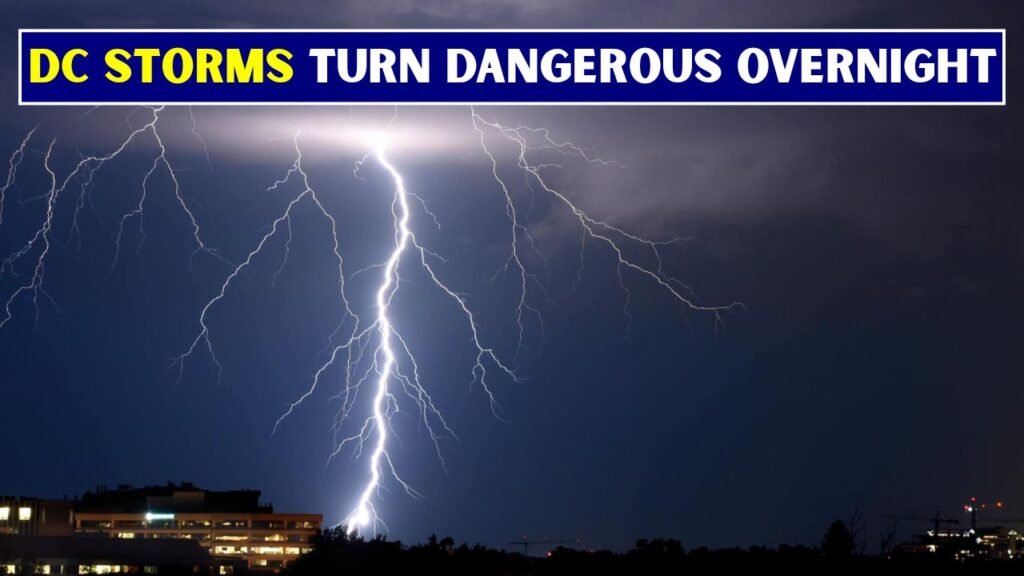
Severe thunderstorms hit the DC region as storm watch continues

Why the storm watch is still important
Even if the strongest storm has moved through a location, a storm watch means that conditions are still favourable for the possibility of more severe weather. This is not over too soon, people should not think this. Fast-moving storm bands can redevelop with additional damaging winds, heavy rain and an isolated risk for tornadoes.
- Keep phones charged and weather alerts on.
- Don’t go near windows in high winds.
- Do not travel unless necessary during active warnings.
- If you hear thunder, go inside immediately.
What Areas Are Most Affected?
The main effect of the significant storm threat was experienced across the wider DC metro, including Washington, DC, northern Virginia and parts of Maryland. Wind gusts and rainfall were heavier in some neighbourhoods than in others. The most flood-prone roads, fallen branches and temporary power outages were in low-lying areas, urban drainage zones and tree-lined communities.
What Weather Hazards Should Residents Expect?
The primary threats from these thunderstorms will be damaging winds, heavy rain, lightning, localised flooding and the possibility of isolated tornado activity. Short storms can be dangerous if the winds are strong enough to knock down trees or power lines. Motorists and pedestrians need to stay alert until all official warnings are cancelled.”

- Damaging winds could bring down trees and wires.
- Heavy rain can fill streets and underpasses in a hurry.
- Lightning can be dangerous before rain begins, and after rain begins.
- Severe cells can’t be ruled out for brief tornado spin-ups.
- Scattered neighbourhoods may experience power outages.
What could travel look like?
Wet roads, poor visibility, traffic lights out, debris and flooded lanes could slow travel throughout the D.C. area. Major roads, bridges and commuter corridors can be dangerous in heavy rain. Lightning, high winds or water accumulation could cause delays on public transit impacting service conditions.
What To Do When the Storm Hits
People should move to an interior room away from windows and open areas. Never drive through flooded roads if you are in a vehicle because it’s hard to judge the depth of water. Families should review their emergency plans and have flashlights, batteries, medication and important documents handy.
- Get down to the lowest safe level of the building.
- Seek shelter in a basement or interior room during tornado warnings.
- Do not touch fallen power lines.
- Secure outdoor furniture, bins, loose items.
Homeowners can do a number of things to prepare for more storms
Homeowners should prepare for the next band of storms by checking for loose objects outside, checking gutters and nearby trees for weak branches. Easy to prepare for reduced harm and increased safety . It’s also a good idea to have emergency supplies on hand in case your neighbourhood experiences power outages or blocked roads.
- Clear drains and gutters before the heavy rain.
- Bring in patio furniture and decorations.
- Store flashlights instead of just using candles.
- Store basic food supplies and drinking water.
When will things get better?
The strongest storm line will push through and conditions may improve but gusty winds, scattered showers and slick roads are still possible after that. Officials usually keep watches in place until the overall threat has passed. Residents are asked to await further guidance before returning to normal outdoor or travel plans.
Why D.C. Residents Must Stay Alert
Intense thunderstorms can build quickly and this is particularly true in busy metro areas where traffic, trees, power lines and dense neighbourhoods increase the risk. Alertness allows people to respond quicker to warnings and avert preventable danger. Caution is best in the DC area until the storm watch is lifted.
