
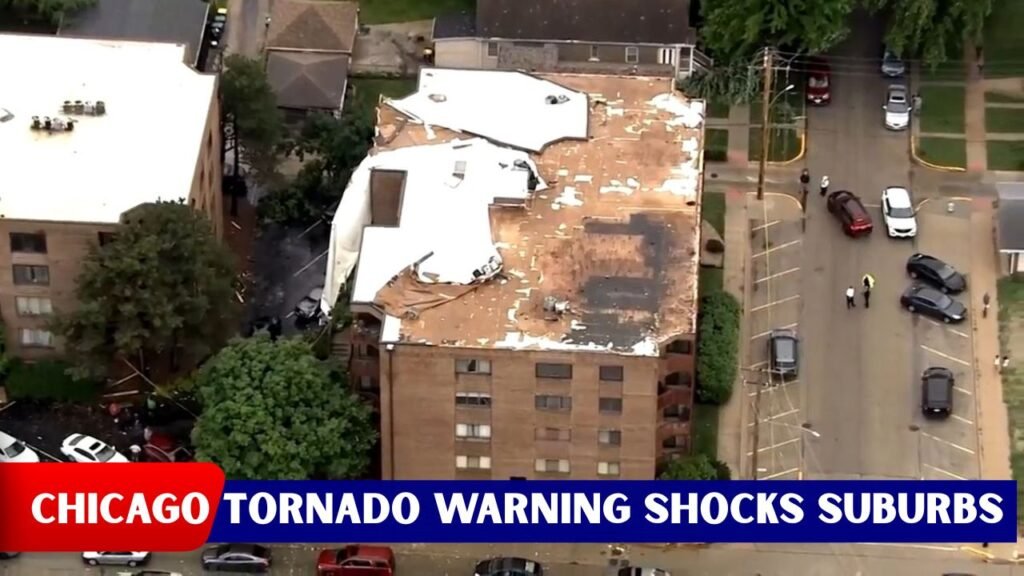
Chicago, Illinois weather forecast warns of tornado damage in west and south suburbs

Why is Chicago vulnerable to tornadoes?
The threat of tornadoes near Chicago is part of a larger storm system sweeping through Illinois. Thunderstorms can rotate if there is warm moist air close to the ground, and strong winds above the ground. When these ingredients come together , it can help storms intensify quickly and make conditions dangerous for suburban neighbourhoods .
- Warm, moist air feeds storm energy.
- Fast moving lines of storms can cause sudden damage.
- Warnings could also include heavy rain with low visibility.
Which Suburbs Are Most Vulnerable?
Severe weather tracking from the west or south-west often means higher storm concerns for the west and south suburbs of Chicago. Communities near open spaces, highways and older neighbourhoods with trees along streets could see more damage from strong winds, falling branches, and brief tornado touchdowns.
Aurora, Joliet, Naperville, Bolingbrook, Oak Lawn, Orland Park and nearby suburbs need to stay vigilant when warnings are issued. But even if the worst storms miss downtown Chicago, wind and tornado damage can still hit hard in surrounding communities.
What Type of Damage Do Tornadoes Cause?
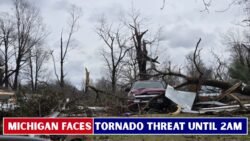
Tornado damage can range from minor roof and siding damage to major destruction. But a tornado a mile wide can still take down trees, break through garages, flip cars and topple power poles in suburban Chicago. Flying debris is the biggest danger in severe storms.
- Roof shingles and siding can be torn off.
- Big trees can fall on houses or roads.
- Many neighbourhoods may be without power.
- Outdoor furniture and signs become debris.
- Storms can cause flooding in low areas and basements.
What Residents should do now?
Storms can develop giving you only minutes to respond so it is critical to be prepared before tornado warnings are issued. Families should prepare a safe room, charge phones, test flashlights and turn on weather alerts. Generally the lower the level the better, such as basement or small interior room.
- Move vehicles away from trees, if possible.
- Bring in patio furniture and trash containers.
- Keep your shoes, medication and documents at hand.
- Use multiple alert sources, not just sirens.
What do you do when there is a warning?
When a tornado warning is issued, don’t wait to see the storm. Get to shelter right away and stay away from windows. “If you are in an apartment building, go to the lowest floor you can reach. Drivers are cautioned to stay away from overpasses and to find a sturdy building if conditions turn hazardous.
Sirens are mostly for people who are outside, so it’s important to have alerts from phones, radios and local news when you’re inside. If you hear a warning for your county or suburb, take it seriously until officials say the threat is over.
How do storms impact travel?
Severe storms could produce travel problems across the Chicago region. Heavy rain could slow traffic on I-55, I-80, I-88, I-90 and I-294, and downed trees or wires could close local roads. Lightning or strong winds in the vicinity can also cause airports to delay.
- Check the status of your flight before you head to the airport.
- Avoid driving into flooded roads and underpasses.
- Delay nonessential travel during warning periods.
When Will Things Get Better?
Once the main line of storms moves east of the Chicago area, conditions are generally better but hazards can stick around afterwards. Dropped power lines, broken tree limbs, flooded streets and damaged traffic signals can still be hazardous. Let’s wait for official updates and not assume it’s safe out there.
Local officials and utility crews may need time to assess damage after severe weather. Homeowners should take photos of any damage for their insurance company, not touch any wires and immediately report blocked roads or the smell of gas.
Why Should We Take This Forecast Seriously?
Chicago weather forecasts are important because tornadoes can develop quickly and hit the suburbs with little warning. The suburban communities in the west and south need weather awareness, shelter plans and official alerts. Taking action early keeps families safe and reduces injuries and also allows residents to respond safely should tornado damage occur.
