
Super Mario Galaxy Movie Passes $1 Billion Worldwide

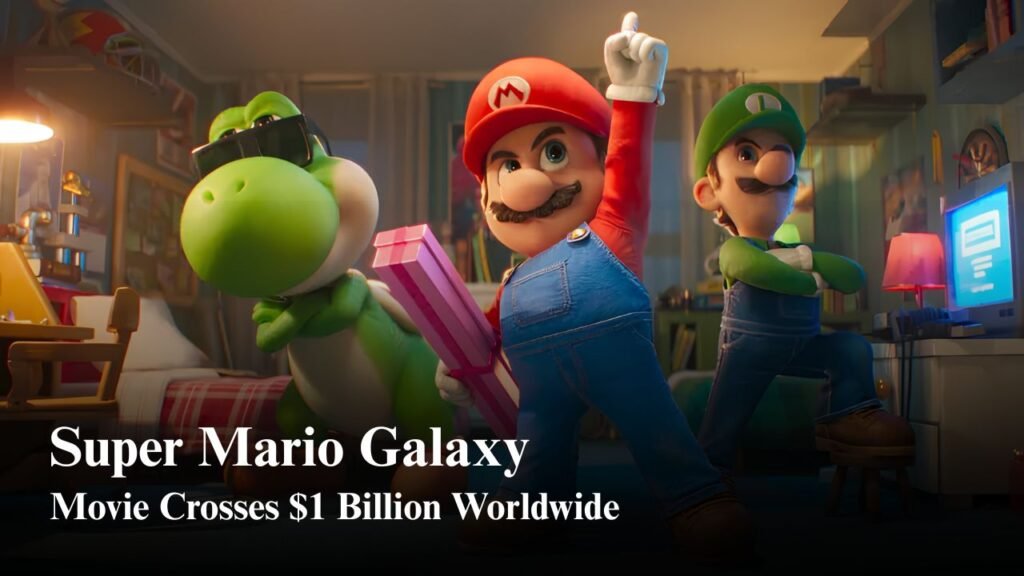
The moment The Super Mario Galaxy Movie crossed $1 billion worldwide, it stopped being just another successful animated sequel and became a signal flare for the entertainment business. A film built from power ups, planets, pipes, and childhood memories has landed inside the rare box office club. The climb looked almost casual: no panic marketing, no desperate rebrand, and no sense that audiences were being dragged along.

How Mario Turned a Familiar Game World Into a Global Event
Mario has always traveled well because the character barely needs translation. A mustache, a jump, a cheerful voice, and a dangerous mission are enough to speak across markets. The Galaxy setting gave the movie a bigger canvas without losing the warm toy box feeling that made the 2023 film approachable. Instead of treating the games as homework, the sequel treated them as shared memory. Parents recognized the rhythm, children understood the spectacle, and fans spotted small details that rewarded repeat viewings.

The smartest thing about the film’s run is that it turned familiarity into suspense. Viewers knew Mario would survive, but they still wanted to see how far this Mushroom Kingdom could stretch. Space moved the story beyond simple nostalgia and made the brand feel larger while keeping the emotional language light enough for families.

The Billion-Dollar Breakthrough Behind the Headlines
The worldwide total matters because $1 billion is more than a headline number. It proves animated movies can still create theatrical urgency when they feel like events. The Super Mario Galaxy Movie did not rely on one market or one age group. Its domestic run stayed strong, while international audiences carried the film over the finish line. That balance matters because studios judge franchises by global durability, not just opening weekend noise.

Universal, Illumination, and Nintendo also benefited from clean brand trust. Audiences knew what experience they were buying: fast comedy, bright animation, familiar voices, and a safe family outing. In a crowded market, that clarity turns a ticket into an easy family decision.
Why Families, Gamers, and Nostalgia Kept Buying Tickets
Before looking at the reasons, it is worth saying the film’s success was not built on nostalgia alone. Nostalgia opened the door, but the movie had to keep the room full. Its strongest advantages were simple:
- It gave children a colorful adventure that moved quickly and rarely felt heavy.
- It gave older fans enough game inspired moments to make the world feel cared for.
- It gave families a shared choice at a time when many films feel aimed at narrower crowds.
That combination helped the movie avoid the trap that catches many adaptations. It did not spend the whole runtime proving respect for the source. It simply behaved as though the audience already knew and loved the world, then invited everyone else to catch up.
Numbers That Make This Run Bigger
Box office milestones become clearer when the basic figures sit together. The table shows why the film looks less like a lucky weekend and more like a sustained commercial wave.
These numbers show why the Mario franchise now sits in a different conversation. It is not merely a game adaptation that worked once. It is becoming a film brand with measurable staying power. The sequel proved that the first movie’s success was not a one time surprise, and that audiences will follow this animated universe beyond the easiest references.
What Studios Will Quietly Learn From Mario’s Rise
Hollywood will study the result carefully, but the lesson is not that every famous game deserves a movie tomorrow. The better lesson is about tone, trust, and timing. Mario worked because the filmmakers understood the promise people attached to the name. The movie looked expensive, but it did not feel cold, stiff, or careless.
- Brands with simple emotional hooks can travel farther than brands that require long explanations.
- Family audiences still show up when a movie feels like a big screen treat, not a streaming leftover.
- Game adaptations succeed best when they use lore as flavor rather than a locked gate.
That final point may be the most valuable. The Super Mario Galaxy Movie gave fans plenty to enjoy, yet it did not punish casual viewers for missing references. That balance is difficult, and it is one reason the film became a worldwide event instead of a niche victory lap.
Can Super Mario Galaxy Movie Fly Even Higher From Here?
After $1 billion, the question is how much fuel remains. The film has moved from box office story to franchise landmark, changing expectations for whatever comes next. Nintendo has proof that Mario can support an expanding animated universe, but it also faces pressure to protect the charm that made the character reliable. Bigger planets and wider crossovers may be tempting, yet Mario’s heart is still movement, humor, and friendly danger.
The movie’s digital availability may keep the conversation alive, bringing latecomers into the fold while theatrical grosses settle. Family hits rarely end when the cinema run slows. They become living room favorites, birthday party choices, airplane distractions, and comfort watches. For Mario, that afterlife can be as valuable as opening weekend applause.
Final Question After Mario’s $1 Billion Leap
The Super Mario Galaxy Movie passing $1 billion worldwide feels like a victory for Nintendo, Illumination, and Universal, but also a reminder that audiences still reward joy. The film did not need to be darker or more complicated than its roots. It trusted color, music, motion, and memory. That trust paid off across countries and generations. Now the suspense is not whether Mario belongs at the movies. The suspense is how far he can jump next.
