
EV charging problems grow as drivers look for faster and cheaper options

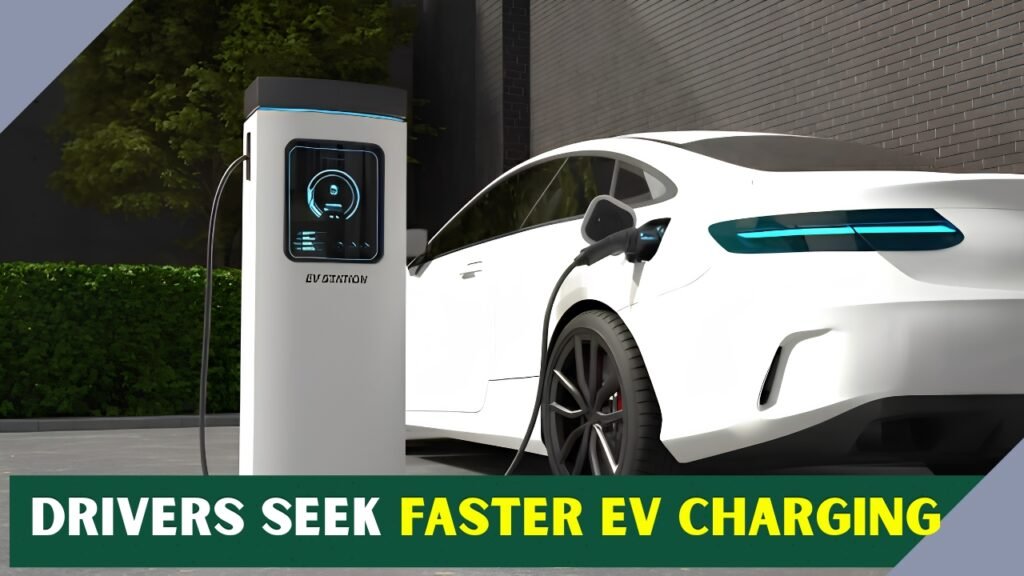
As more people buy electric vehicles, the problems with charging EVs are getting worse, and consumers expect charging to be quick, easy and cheap. Electric cars are becoming more common because they cut pollution and save money on fuel. But charging them can be a challenge for many drivers. Long waiting lines at many cities and highways, expensive fast charging rates and a shortage of charging stations for EV owners have been long-standing issues. “People who use electric vehicles for their daily commute are frustrated with these issues. Governments and private companies are working to improve charging systems but the number of EVs is rising faster than the charging infrastructure. This has turned charging into one of the biggest challenges facing the electric vehicle industry today.

Why do EV charging needs increase?
Electric vehicle sales have increased rapidly in recent years. The prices for petrol and diesel are high and many countries are supporting cleaner transportation, so more and more people are choosing EVs. However, the charging infrastructure is still under development and cannot fully cope with the increasing number of vehicles.
 Ford Recalls 565000 Bronco and Bronco Raptor SUVs Over Engine Fire Risk What Owners Need to Know
A lot of drivers had hoped charging EVs would be simple and easy, but the system continues to be under pressure. In cities, charging stations are often crowded, but in rural areas there are still far too few public charging points. Apartment owners and those without private parking also have problems as home charging is not always possible.

- Sales of EVs are increasing year over year.
- Many find it difficult to install home chargers.
- Government support for EV usage with incentives.
- In many areas, the highway charging infrastructure is still sparse.
Why drivers are experiencing charging delays and paying more ?
Meanwhile, public charging stations are becoming overcrowded, leading to longer wait times for many EV drivers. Fast chargers are particularly crowded as drivers want to spend less time on the road. This results in long lines on weekends, holidays and during peak travel times.
 Honda Ridgeline Hiatus Confirmed as New Next Generation Teaser Reveals the Pickup Truck Will Return
However, charging prices are also on the rise. Fast charging stations are usually much more expensive than charging at home. Charging companies use different pricing systems, confusing users. Electricity is more expensive during peak hours in some places making charging even more expensive.
Technical problems are also problematic. Some charging stations are out of service because they are being serviced or the software has crashed, so drivers have to hunt for another site.
- Long queues at busy charging stations.
- Expensive ultra-fast charging.
- Various charging companies have different pricing systems.
- Still takes longer to charge than to fill up a gas tank.
- Charging stations sometimes have to close due to technical problems.
And what new concerns are faster charging systems raising?
The potential of fast charging technology is to shorten charging time for drivers but also presents new challenges. Fast chargers are popular with many drivers because they can charge a vehicle in less time than a standard charge.
They need expensive equipment and a robust power system. As such, charging companies add extra charges for installation and maintenance costs. Some experts say fast charging can also impact the long-term health of the battery, especially in older EVs.
The more cars charging at the same time , the more electricity needed . This can strain local power grids , especially during the summer or during peak times of usage . Another potential problem is the demand for electricity .
Impacts of rapid charging growth Rapid charging reduces travel time for drivers Publicly available fast chargers cost more to power High costs for installation & maintenance Heavy electricity demand may overburden power systems .
What is being done to improve the situation?
And now governments and private companies are investing in better charging infrastructure. Cities, parking lots, shopping malls and highways will see more public charging stations being built in many countries. The aim is to make wait times shorter and make charging easier for all drivers.
Some companies are also working on smarter charging technology. Such systems can also help better manage electricity use and relieve stress on the power grid. In some countries, other ideas being trialled include battery swapping, where a driver can swap an empty for a full battery in minutes.
Renewable energy is also becoming part of the solution. Future clean energy projects like solar charging stations can help reduce costs and environmental impact.
- Better technology for quicker charging
- Intelligent Systems to Control Electricity Demand
- Speed up your tests with battery swapping services
- Renewable energy deployment based charging stations
Summary
EV charging problems are rising as the number of electric vehicles is growing faster than the charging infrastructure. Drivers want faster, cheaper charging, but systems still lag with delays, high prices and limited availability. Fast charging technology helps to reduce charging time, but puts up higher costs and energy demand. Governments and companies are developing better solutions such as more charging stations and smarter energy systems. One huge step towards electric vehicles’ future success will be to make charging more accessible and affordable.
