
Trump Metal Tariff Changes Could Affect Several Major Industries

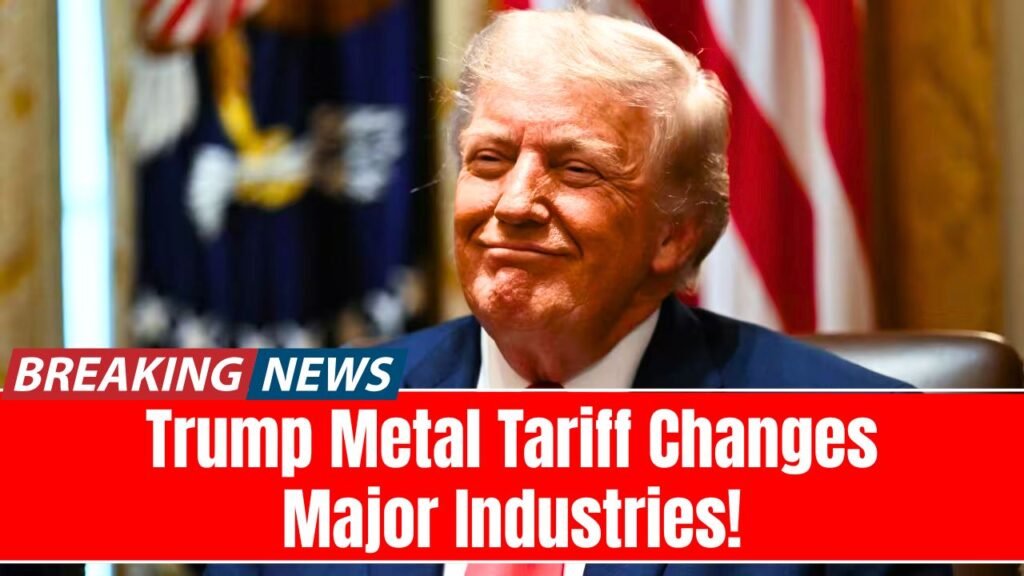
Trump Metal Tariff Changes : A new round of discussions on metal tariffs linked to ex-President Donald Trump is once again spreading concern across a variety of businesses in the United States and elsewhere. Steel and aluminium tariffs have been a heated topic in international commerce for a long time, as they impact industrial prices, supply networks and international firm relationships directly. This could result in higher production costs for firms that rely on imported metals, but would help domestic metal producers by providing them with more protection from overseas competition. With elections approaching, political and economic pressures are growing and these proposed tariff changes are becoming one of the hottest topics among industrialists, economists and global trade experts.

Trump’s Metal Tariff Changes How They’ll Affect The Economy
Trump’s tariffs on metals are getting more attention, as they could change pricing and competitiveness across a number of industries. The taxes on imported steel and aluminium are intended to promote domestic production but they also increase costs for sectors using the metals. Tightening import taxes is likely to push up expenses in areas such as automotive production, aerospace, industrial equipment and infrastructure development. Economists also say higher tariffs might impact consumer costs, particularly for products that require a lot of metal in their manufacturing process. Backers argue stronger trade kerbs are needed to protect U.S. manufacturing employment and reduce reliance on foreign suppliers. Many companies are re-evaluating supply chains and long-term strategy to minimise potential risk as they prepare for anticipated government changes.

Steelmakers could gain from tighter safeguards
The big upside of metal tariffs is that they can help assist domestic steel and aluminium industries. U.S. metal companies often argue that cheap imports from other countries are unfairly competitive and threaten to take away local manufacturing capability. Increasing tariffs can increase the price of imported metals and give an advantage to the country’s industries.

Supporters of the plan argue the approach might help save manufacturing jobs and encourage corporations to invest more in American production facilities. Some industry analysts argue an industry built on indigenous sources of metal is also important to national security since it reduces reliance on foreign supplies in the case of global disruptions.

Auto Makers Could Face Higher Production Costs
One of the sectors considered most sensitive to increases in metal tariffs is the auto sector. Car manufactures use a lot of steel and aluminium for the car frames, engines and other important parts. When metal prices go up, production costs might rise rapidly.
Some of these costs might be absorbed by companies, but corporations generally pass some of the increase on to customers in the form of higher prices for vehicles. That can be a drag on demand, especially when buyers are already battling inflation and costly borrowing.
Sources : The White House
The electric car companies could also come under pressure, as making EVs requires vast quantities of specialist metals. “The unknowns around tariffs may force automakers to reshuffle their supply chains or look for alternative sources to protect their margins, analysts say.
Potential Delays in Building and Infrastructure Projects
Construction firms are also following the tariff talks intently, because steel and aluminium are critical materials for commercial structures, bridges, transit networks and residential developments and rising metal prices could add to the expense of government plans for major infrastructure projects. Contractors will be working with tighter budgets and developers may delay projects until prices stabilise.
Trade Relationships in the World Could Become More Difficult
Metal tariffs are a concern not just for domestic industry. They also have implications for trade relations between the U.S. and major exporting countries across the globe. Earlier rounds of tariffs prompted trade wars with China, Canada and the European Union. And in some cases trading partners are responding with taxes on American goods, which puts additional pressure on businesses beyond metals. Earlier trade battles over tariff policies had affected agricultural products, machinery and consumer goods. Supply chains are more global than ever and fast regulatory changes can create confusion for international organisations. If new tariffs are applied, enterprises in many countries may need to re-evaluate how they source their products, the logistics networks they use and their international partnerships.
Investors are keenly watching the market reaction
Financial markets are generally quick to react to major trade policy moves and talk of revisions to Trump metal tariff measures is no exception. Investors are closely watching how these initiatives could affect inflation, manufacturing activity and corporate profitability. Uncertainty over tariffs might also add to volatility in the broader stock market, especially in sectors related to industrial output and global commerce, market analysts say. Meanwhile, while political tensions continue to rage, investors will likely be searching for policy statements for signals about the future economic path.
Final Summary
Trump’s shifts on metal tariffs could ripple throughout a wide range of industries, from steelmaking and car making to construction and world trade. Supporters argue higher tariffs protect American industry and jobs, but opponents warn of greater costs and potential disruption to international supply chains. The economic and political story is still unfolding, and companies and investors are preparing for a range of scenarios. The longer-term impact will largely rely on the aggressiveness of new tariffs and the response of global markets. Now, companies in a number of sectors are focused on adapting to a trading backdrop that could get choppier over the coming months.
