
US Inflation Hits Three-Year High as Iran War Raises Concerns

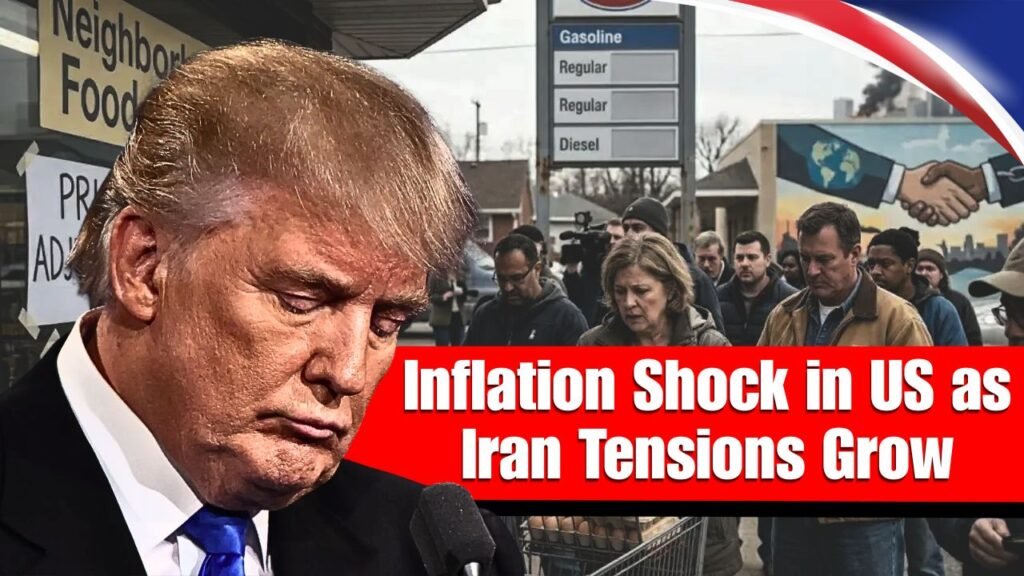
US Inflation Hits Three-Year High as Iran War : Inflation is at a three-year high and the pinch is being felt again across the U.S. economy. The tensions in Iran add to the uncertainty that is already present in the global market. Energy prices, supply chain expectations and investor confidence have all been influenced by fears of more disruption in the region. Economists say the combination of domestic price pressures and fears of war overseas is creating a difficult environment for policymakers. Consumers are already feeling the pinch at the grocery store, at the fuel pump and in the property market, where prices remain stubbornly high despite earlier pledges of stability. Now economists, investors and policymakers are looking at how the Iran issue impacts US inflation, which is at a three-year high, linking two crucial causes domestic price gains and global worries. It is not only the concern of growing costs but also the risk of external conflicts disrupting global oil supply chains, shipping routes and economic movements.

US Inflationary Pressures Increased After Iran War Raises
US inflation has climbed on the strength of strong consumer demand, stubborn supply-chain difficulties and higher pricing for services. The essentials like housing, health care and transportation have been rather constant. So costs are not falling as fast as they should be. Wage growth has also been driving inflation higher, as companies have had to increase pay to hold onto staff. Monetary officials have had some success in prior efforts to bring down inflation, but the latest data show the rate of advancement has stalled.

This has sparked concerns that inflation may remain over target for longer than expected, and is making policymakers cautious. The recent rise to a three year high means inflation is not yet under control. Analysts believe even little shocks, like fuel price rises or supply shortages, can fast translate to higher prices across the board. That is a really vulnerable position for us at the moment because there are things going on here and abroad that can have an immediate economic impact.

Energy Market Shock from Iran War Tensions & Oil Supply Risks
If so, mounting tensions over the Iran war are one of the largest external threats to inflation right now. “The Middle East is a massive part of the world’s oil production and shipping routes therefore there is always a quick reaction in energy markets when something is happening in the region. Prices also rose on supply disruption fears that traders and investors are following attentively, if only for the fear of it.

Higher energy prices usually entail higher inflation to the extent that fuel costs affect transport, production and distribution. An increase in hostilities might stoke fears over oil supplies, putting to pressure on already growing consumer costs. That has ripple effects throughout the global economy in both developed and emerging economies.
Sources : CNN
Interest Rate Policy and The Central Bank’s Dilemmas
The Fed is caught between a rock and a hard place when it comes to battling inflation and impeding GDP. The main way to fight inflation has been to push up interest rates, making it cost more to borrow money and therefore reducing demand. But the plan’s success depends on stable external conditions, which are questionable in the current atmosphere of global geopolitical concerns. If energy shocks push inflation higher or keep it high, the central bank may have to hold rates higher for longer. That could crimp company expansion, cut consumer spending and tighten financial conditions. However, if policy is loosened too quickly there is a risk that inflation would re-emerge and this is a difficult policy dilemma.
Impact on households and international markets
Inflation and geopolitical concerns are affecting the typical household in our everyday life. Food is still pricey and rents are rising in a lot of regions. Fuel prices change with news from across the world. Families are trimming back on nonessential expenditures and reworking budgets to compensate for lower buying power. Financial markets are anxious as well. “Stock investors are more sensitive to economic data releases as bond markets re-price expectations for interest rate moves. What the corporations think will happen to costs and demand in the future is causing them to postpone investment decisions. That’s the nature of the global economy when inflation and geopolitics are so linked.
Final Verdict
US inflation has hit a three-year high and fears over the Iran conflict highlight the precarious balance for the global economy. Domestic reasons exert some pressure on prices, but external geopolitical uncertainties add to the unpredictability of an already complex picture. Policymakers are finding it a challenging balancing act to tame inflation and nurture economic progress. “Global pressures will persist and the next few months will be a critical test as to whether inflation can be cooled or will remain stubbornly high. Markets and consumers are likely to be cautious for now as they adjust to a world of economic crisis and global war.
