
Heavy Rain Brings Flood Risk and Drought Relief in Southern US

What is the extent of the flood risk?
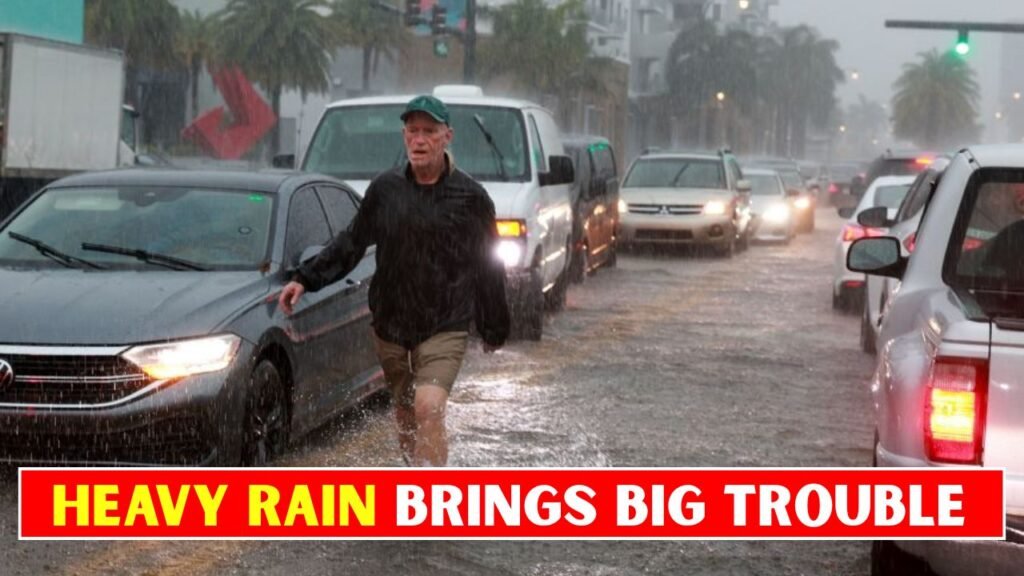
Where rain falls faster than the ground can absorb it, acute flooding risk exists. Low lying neighbourhoods, creeks and poor drainage areas and urban streets are most at risk. Flash flooding is possible in places where the ground is already soaked . Just a few inches of rain in a short period of time can cause flash flooding .

- Flash floods can occur with little or no warning.
- Small streams and rivers can fill up very fast.
- Heavy rain can make roadways dangerous.
- Low-lying areas are at greater risk to homes and businesses.
Can Heavy Rain Help Drought Conditions?
A good rain can do a lot to relieve drought conditions, putting moisture back in the soil, filling ponds and improving pastures. Following a dry stretch, many farmers and ranchers are hoping for some consistent rain. But in a sudden shower, it may run off rather than soak in deep. So you need a number of well spaced rainfall events to recover from a drought.

Vulnerable areas?
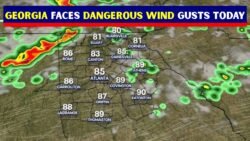
Wet-weather events usually pose the greatest risk to states along the Gulf Coast and inland storm tracks in the South. Depending on the storm’s path, heavy rain could fall in Texas, Louisiana, Mississippi, Alabama, Georgia, Arkansas and parts of Tennessee. Local geography plays a very important role in determining where flooding is most hazardous.
- Concrete paves cities and makes them more susceptible to flooding.
- River valleys flood more slowly.
Why Flash Floods Are So Dangerous?
Flash floods are dangerous because they happen fast and can catch people by surprise. Within minutes roads can be flooded, vehicles swept away and buildings inundated with water. Driving through flooded roads is a deadly mistake many make because they do not realise the power of moving water.
How do you keep people safe?
Residents should watch for weather advisories, stay off flooded roads and be ready for possible power outages. Basic emergency plans can make all the difference in the world when severe weather strikes. Those who live around creeks, rivers or drainage channels should be prepared to leave for higher ground if asked.
- Never attempt to drive through flooded roads.
- Charge phones prior to storms.
- Follow local emergency broadcasts.
- Remove valuables from the flood zone.
What Does This Mean for Farmers?
Rain is a boon and a bane to the farmer. Moisture boosts crop growth, fills stock ponds, and reduces the need for irrigation. Too much rain can delay planting, damage young crops, erode topsoil and make fields too muddy to safely operate equipment.
Will Rain End Drought?
Generally one storm system doesn’t break a major drought. Heavy rain can improve surface conditions, but deeper ground water and reservoirs may require weeks or months of repeated rain. The best help to drought is steady rain over time for everyone, not extreme downpours that increase flooding and runoff.
- Soil moisture conditions may improve rapidly in the short term.
- Deep groundwater recovers more slowly.
- Reservoir levels depend on continued rainfall.
- If it rains a lot, the water runs off instead of soaking in.
What has more influence on the weather?
The rain event revealed a problem with weather in the southern US: not enough rain leads to a drought, but too much rain leads to flooding. And communities need to prepare for both. Better drainage, weather awareness, and emergency preparedness can help prevent damage, and help residents enjoy the benefits of needed rainfall.
