
Williamson County RV Parks Forced to Evacuate Again as River Flooding Gets Worse

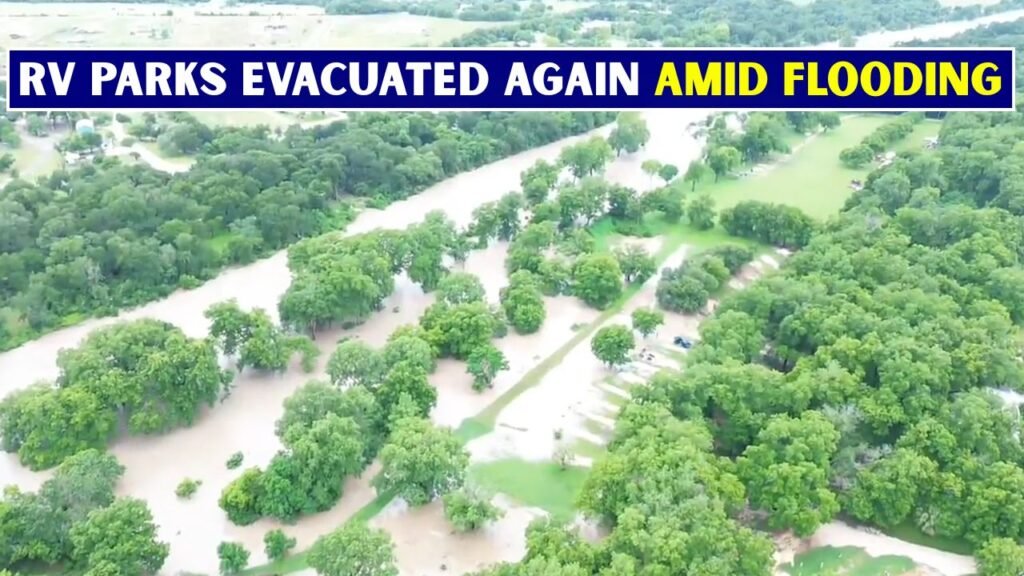
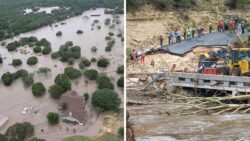
What occurred in Williamson County?
Emergency officials urged residents around the affected RV parks to evacuate as the San Gabriel River flooded. The warning came early this morning, as rising waters made conditions around Georgetown hazardous. Local officials also warned drivers not to cross flooded roads, as water depth and flow can change in minutes.
 Rare Atlantic Niña Is Emerging During a Super El Niño and Experts Explain What It Could Mean
- Shady River RV Resort was within the evacuation zone.
- GoodWater RV Park residents were also ordered to evacuate.
- The flooding was caused by heavy rain overnight.
- Low roads and crossings became perilous.
- Residents were ordered to get to higher ground immediately.
Why RV Parks Are More Vulnerable
Many RV parks are situated on flat, low-lying land with scenic access to water, and those near rivers are especially vulnerable. These are popular places for visitors and longtime residents, but they can be deadly during flash floods. RVs are lighter than permanent homes and can be more easily damaged or moved by fast-moving water.
How Severe Is the River Flooding?
The San Gabriel River can rise quickly when storms bring heavy rain to Central Texas. But even when the rain has tapered off, the river can still be flowing from runoff coming from creeks and upstream. That delayed rise can exacerbate flooding after people think the main danger is over, requiring officials to act quickly.
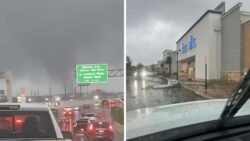
- Storms and the time right after can cause river levels to rise.
- The roads were awash before first light.
- Small streams can become larger bodies of water.
- Water impact is direct at close-by banks of RV parks.
- Repeated rain means the likelihood of renewed flooding is increased.
Where Did Evacuated Residents Head?
Officials opened a temporary evacuation site for residents who needed a safe place to stay while the flooding was happening. These shelters are critical in overnight emergencies, when evacuees may not have time to secure housing, move vehicles or safeguard possessions. They also identify to emergency teams that still need help.
What Not To Do When Flooded?
Flooded roads are one of the biggest hazards in severe weather. “Roads may look passable but the surface underneath may be washed out or under a sheet of muddy water. Vehicles can stall, float or be swept away, especially at low-water crossings common in Central Texas communities.
- Never drive through a road covered with water.
- Don’t cross low water crossings during storms.
- Check local road closure maps before travelling.
- Don’t move any barricades or warning signs.
- If you don’t have to go anywhere, stay parked.
Why This Evacuation Is Happening Again
The new evacuation is a sign that flood danger can come back quickly when the ground is already saturated and waterways are still high. Another storm system moving through the same area could put previously impacted RV parks in danger again. It’s also much harder for residents to clean up and recover from repeated flooding.
What can residents do to protect themselves now?
Keep your phone charged regularly in case of floods so it will work when you need it Check back from time to time on trusted sources for updates. Be prepared to move quickly if water approaches trails or places where people are resting. Get the Important Stuff – Papers, Medicine, Animals, Gear – before it gets worse. That means help could come too late as danger draws near, moving late.
- Follow county emergency management for updates.
- Sign up for local weather & flood alerts.
- Have a small evacuation kit ready.
- Move early vehicles and RVs away from river banks.
- If you are trapped by rising water call emergency services.
So what does this mean for Georgetown?
The latest evacuations at an RV park in Georgetown and other communities in Williamson County are another reminder of how fast and how often river flooding can occur. The situation also prompts wider questions about flood planning, safe camping spots and emergency communication for those who live or stay near waterways.
What’s Next for Affected RV Parks?
And when the floodwaters recede, officials may check roads, utilities, campsites and riverbanks before giving the all clear for normal activity. There is the potential for temporary displacement of residents, having to clean up, having vehicles damaged. Most importantly, wait for official clearance before returning, as standing water, debris, and unstable ground can still be dangerous.
The Williamson County flooding should be a stark warning if you live near rivers during storm season. Evacuations aren’t ordered on a whim. Multiple warnings mean conditions are volatile. Early action, avoiding flooded roads and following official guidance can mean the difference between safety and disaster for RV park residents and travellers.
